Turn Your Eyes Upon Jesus
with
LEMMEL
TURN YOUR EYES
I. Background & Origin
The story behind this beloved gospel hymn begins with Lilias Trotter (1853–1928), an artist and missionary from London who volunteered for the YWCA before spending forty-one years developing mission outposts in Algeria, northern Africa. On July 23, 1901, she wrote in her diary:
The word of the Lord came unto me this morning through a dandelion. It was early morning and I was sitting in a little wood near the hotel. The sun was climbing behind a steep cliff to the east, and its light was flooding nearer and nearer, steeping the distant meadows first, then making pools among the trees. Suddenly, from a dark corner of purple brown sterns and tawny moss, there shown out a great golden star. It was just a dandelion, and half-withered—but it was full face to the sun, and had caught into its heart all the glory it could hold, and was shining so radiantly that the dew that lay on it still, made a perfect aureole round its head. Gathered up—focussed lives—intent with the intentions of the one aim—Christ—those are the lives on which God can concentrate blessedness—it is “all for all.”[1]
Soon after, Trotter developed this idea into a booklet titled Focussed, published in London by the Algiers Mission Board and the North Africa Mission. In that booklet, she elaborated more on this theme:
For if the Sun of Righteousness has risen upon our hearts, there is an ocean of grace and love and power lying all around us, an ocean to which all earthly light is but a drop and it is ready to transfigure us, as the sunshine transfigured the dandelion, and on the same condition—that we stand full face to God. . . .
It is easy to find out whether our lives are focussed, and if so, where the focus lies. Where do our thoughts settle when consciousness comes back in the morning? Where do they swing back when the pressure is off during the day? Does this test not give the clue? . . .
Turn full your soul's vision to Jesus, and look at Him, and a strange dimness will come over all that is apart from Him, and the Divine “attrait” by which God's saints are made, even in this 20th century, will lay hold of you. For He is worthy to have all there is to be had in the heart that He has died to win.[2]
Several years later, in 1918, Helen Howarth Lemmel (1863–1961) was working as a traveling musician, giving concerts and recitals across the U.S. from New York City to Portland. Lemmel had been born in Wardle, Manchester, England, but emigrated to the U.S. with her parents when she was 19. Her father became a Methodist circuit preacher in Mississippi, and she would sing and accompany him on the organ. In her own itinerant ministry, she would sometimes return to England. It is not clear how she came across Trotter’s booklet, but Trotter’s words struck her imagination, and she developed the message into a hymn, which was originally titled “The Heavenly Vision.” An article in The Sunday School Times, printed November 13, 1954, supplied some explanation of how the song was written:
In 1918, after reading a meditation booklet by Lilias Trotter which left the thought, “Turn your eyes upon Him. Look full into His face, and you will find that the things of earth will acquire a strange new dimness,” Mrs. Lemmel found the words and melody of the chorus singing themselves in her heart. The three verses of the hymn, which she entitles, “The Heavenly Vision,” were consciously developed, like her other compositions. Occupied largely with children’s work, she did not find immediate use for the song, and it was not until some five years later that it was handed to her publisher, who requested all from her pen. Even then, it was not incorporated in the book later published. The following season, at the Keswick Convention in England, a speaker (Dr. Russell Howden) introduced a chorus he had learned in France, and which became the theme of the Convention. The author of that chorus lost consciousness of her surroundings momentarily, when she heard him give out the words of the chorus: “Turn your eyes upon Jesus…”[3]
The songbook her publisher had assembled was called Glad Songs (London: National Sunday School Union, 1922), although for unknown reasons, this song didn’t make the cut.[4] Instead, the song had been printed on leaflets. One of these survives in the British Library. The leaflet includes a paraphrase of Trotter’s words rather than a direct quote.
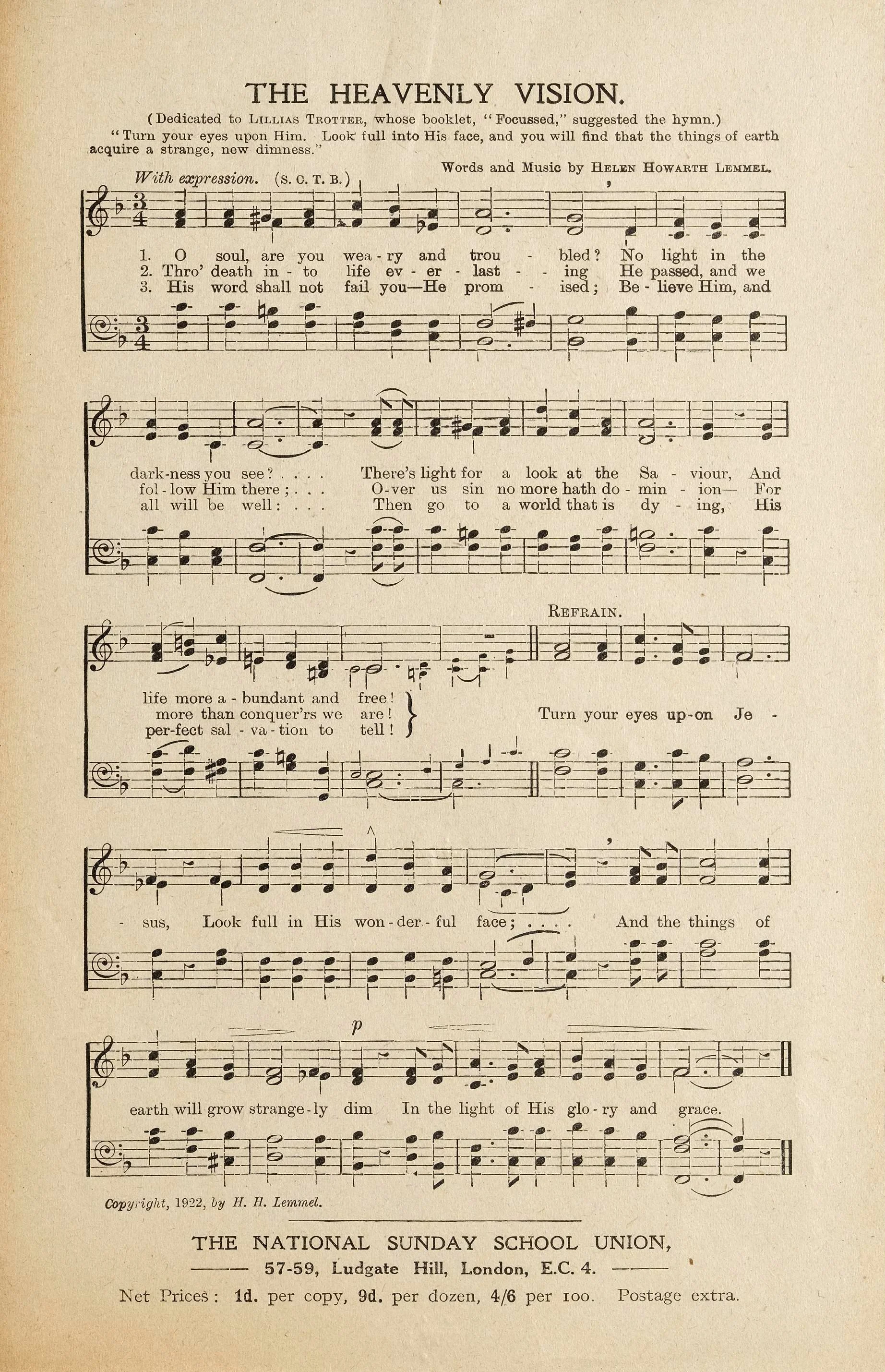
Fig. 1. “The Heavenly Vision,” British Library copy.
The first known appearance of the hymn in a hymnal or songbook was in Harry D. Clarke’s Gospel Truth in Song No. 3 (Chicago: Clarke, 1925).
In an touching act of reciprocity, Lilias Trotter learned of the hymn and reissued her booklet, Focussed, in 1926, this time incorporating Lemmel’s hymn. Trotter died two years later.
II. Textual Interpretation
Lemmel’s hymn beckons, “O soul, are you weary and troubled, no light in the darkness you see?” The refrain provides the solution: “Turn your eyes upon Jesus.” Devotional commentator Kenneth Osbeck once wrote:
In our fast-paced daily lives, how easy it is to get caught up in the “things of earth” so that eternal values become blurred and almost forgotten. . . . We must continue to make Christ the central core of our lives—to pursue the Kingdom of God and his righteousness—if we are to be victorious believers.[5]
Gordon L. Borror, former professor of music at Western Baptist Seminary in Portland, Oregon, similarly offered sage advice based on this song:
The Scripture says (in Heb. 12:2) that our eyes are to be “fixed on Jesus.” He is the author and perfector of faith. He showed us how to live, to serve, to endure, to rejoice, and how to die. We can learn the very essence of eternal reality by keeping our thoughts on him. The song aptly points out how, as we do this, “things of earth” will come to relative insignificance. Eyes fixed on Jesus help us find real life and teach us to spend our resources of time and treasure for his great redemptive purpose. His glory and grace become our supreme joy and achievement.[6]
III. Modern Adaptation
A modern reinterpretation of the song was produced by songwriters George Romanacce, Kevin Winebarger, Nathan Stiff, and Nic Trout. Romanacce, the lead writer, developed the idea while he was worship pastor of West Shore Free Church in Mechanicsburg, Pennsylvania. He explained:
I was writing this song originally for an album that my church was doing at the time. I had this idea of taking the chorus from “Turn Your Eyes”—the original hymn, which I always loved—but using it as verses and then adding a new chorus to make a congregational response to the call of turning our eyes to Christ. I was never a huge fan in terms of congregational worship of the traditional verses of the hymn, so I thought about making a modern version that maximized the strength of the chorus. When I started it, I had the idea of doing a different aspect of the gospel in each verse. I had the song finished, and our church even had already recorded the song for the church EP (myself, Nic, and Kevin had it finished for the church EP), and then I brought it to a Sovereign Grace songwriting retreat to present it to them. Bob Kauflin really loved the version but saw the need for lyrical refinement and some tweaking of the chorus. This is where Nate Stiff specifically came in and helped with getting the lyrics to what they are today in the song. It’s been humbling to see how the Lord has blessed the song and given it the longevity that it has.[7]
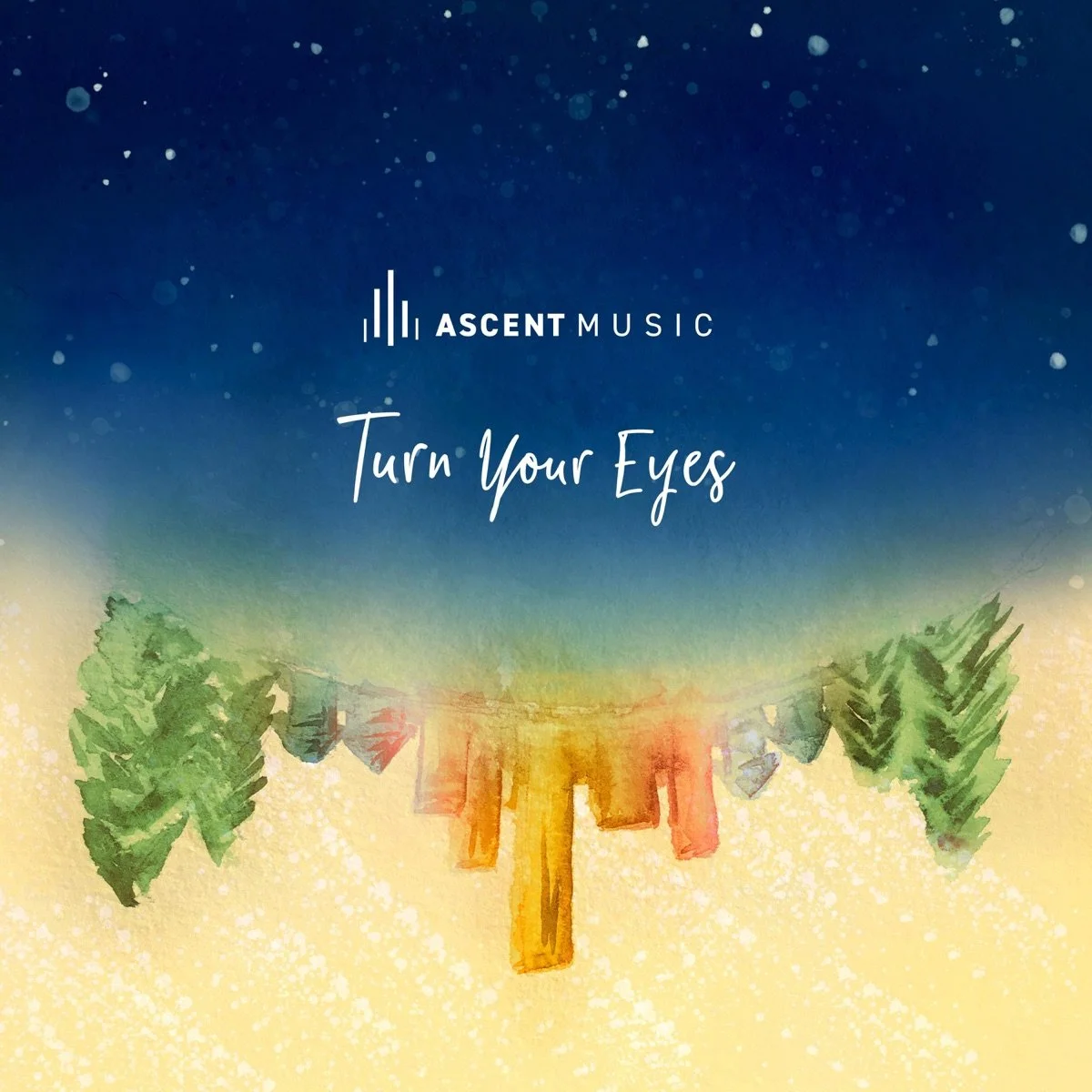
The original version of the song was released as a single by Ascent Music (23 Oct. 2020). Regarding the revised version, Nathan Stiff offered these words about his involvement:
When they brought me the song, the structure and the general direction for each verse were already there. Verses 2 and 4 needed a rewrite. Verse 2 needed more “poetry,” so to speak—more imagery than mere statements of fact. Verse 4 needed less. That way, the song felt balanced and didn’t stretch the imagery too much. Sometimes, we creative types try to pack ten pounds of metaphors into a five-pound bag.
I remember being in the congregation when we sang it for the first time. That’s when you know your song is done, when you see the people Christ died to redeem extolling his worth and works by singing what you helped write. It's all grace. How did it feel? It probably hasn’t hit me all the way yet. It probably won’t until we’re singing much better songs around the throne.[8]
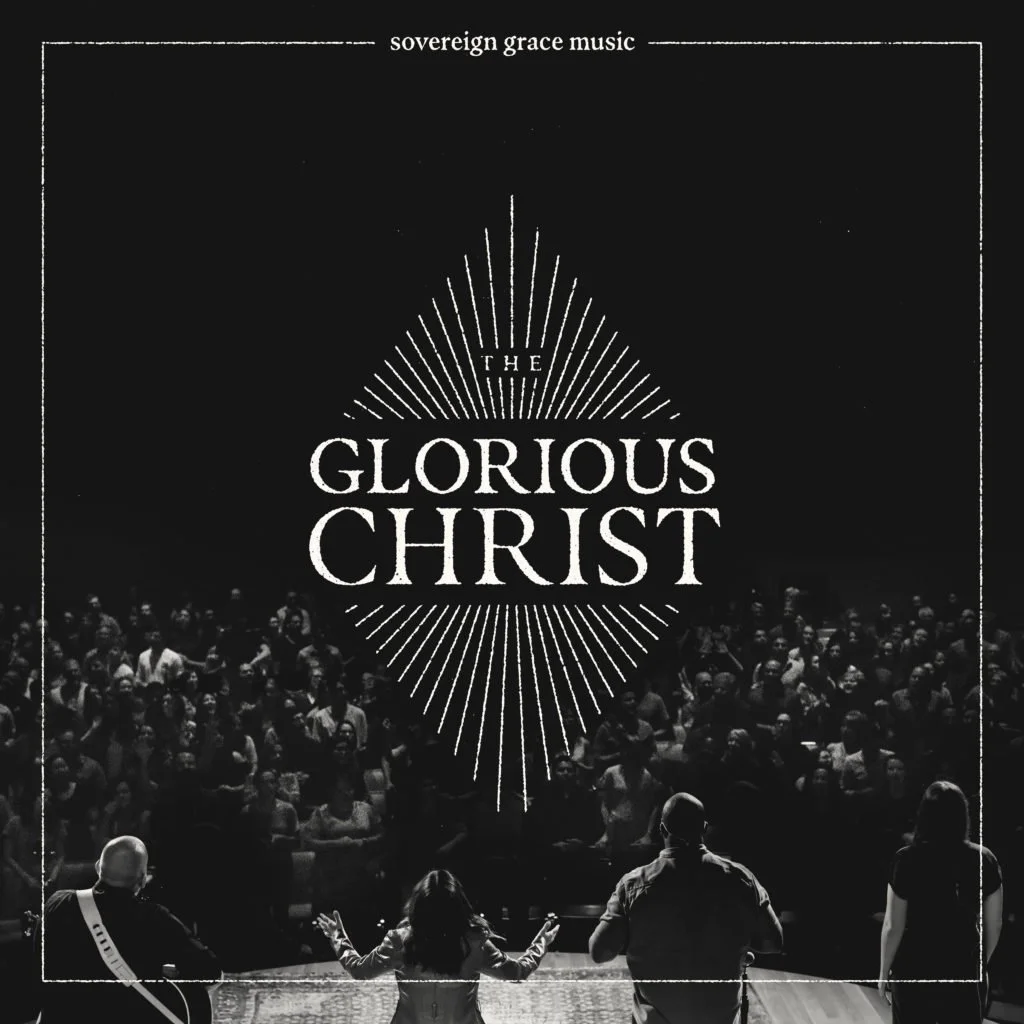
The revised version was recorded in audio and video formats with a live congregation at Highview Baptist Church (Fegenbush campus) in Louisville, Kentucky, for the Sovereign Grace Music album The Glorious Christ (6 Dec. 2019). The lead singer for the SGM recording was Melissa Parris. Scores for this version are distributed via the SGM website.
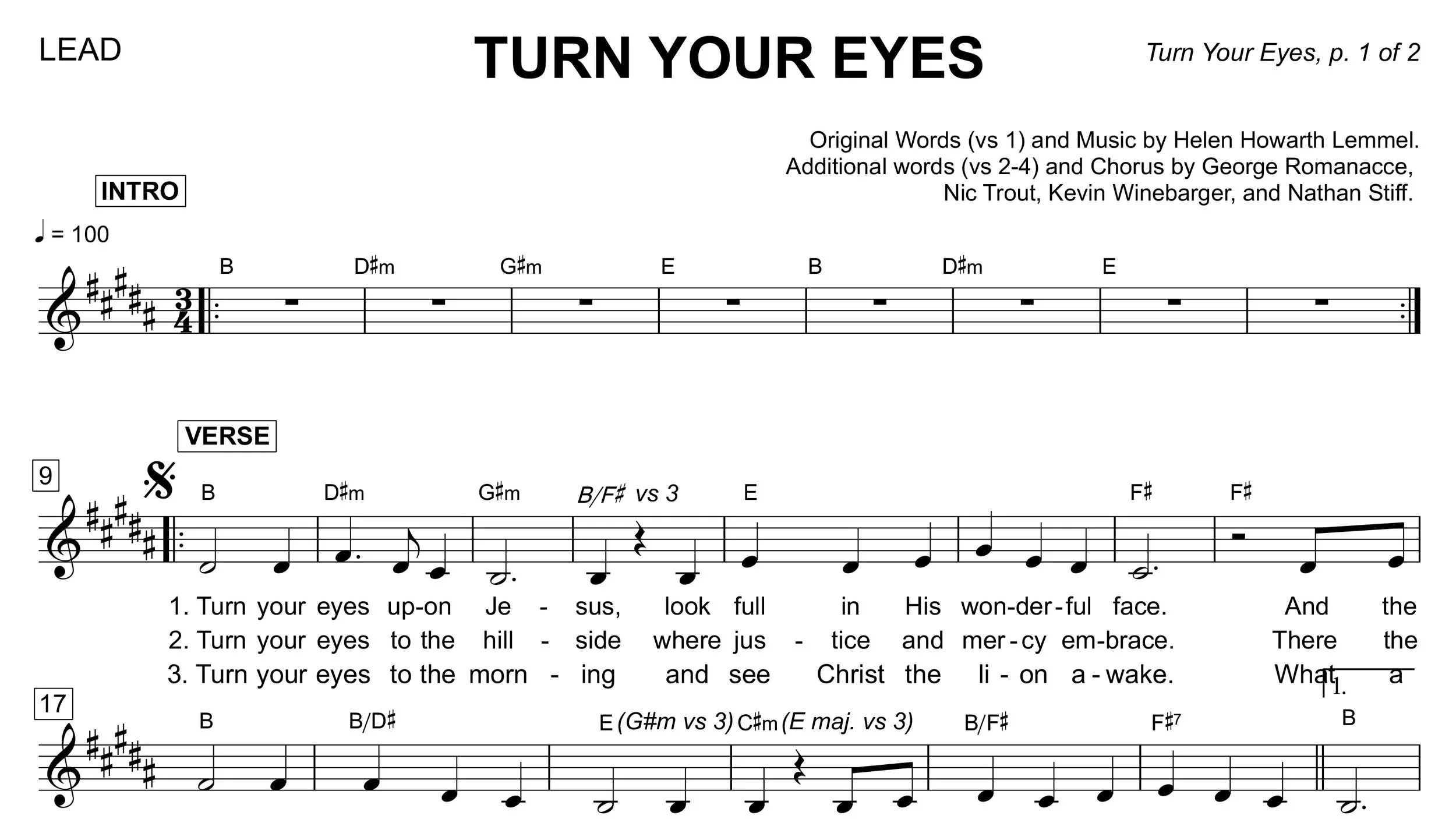
Fig. 2. “Turn Your Eyes,” Sovereign Grace Music (2019), excerpt.
The first appearance of this modern adaptation in a hymnal was in The Sing! Hymnal (Wheaton, IL: Crossway, 2025), harmonized in four parts.
by CHRIS FENNER
for Hymnology Archive
3 August 2026
Footnotes:
Trotter’s diary is held by SOAS University of London. This transcript was supplied by Kimberly Wood, Executive Director of the Lilias Trotter Legacy (https://www.liliastrotter.com).
Lilias Trotter, Focussed (London: Algiers Mission Board, 1901): PDF
Marie Manire Chapman, “She lives—and her song does, too,” The Sunday School Times, vol. 96, no. 46 (13 Nov. 1954), pp. 946, 956: Archive.org
For a list of the songs in Glad Songs (1922), see the University of Kansas City library catalog: https://research.ebsco.com/c/xdhyks/search/details/xm7boj56rj?limiters=FC%3AY&q=OC%2039379349&searchMode=All
Kenneth Osbeck, Amazing Grace: 366 Inspiring Hymn Stories for Daily Devotions (Grand Rapids: Kregel, 1990), p. 40.
The Worshiping Church: Worship Leaders Ed. (Carol Stream, IL: Hope, 1990), no. 452.
Correspondence with George Romanacce via email, 1 August 2026.
Correspondence with Nathan Stiff via email, 23 July 2026.
Related Resources:
Miriam Huffman Rockness & Tim Ladwig, Turn Your Eyes Upon Jesus: A Story and A Song (Naples, FL: Oxvision, 2018): Amazon
“Turn Your Eyes,” Sovereign Grace Music: https://sovereigngracemusic.com/music/songs/turn-your-eyes/
“Turn Your Eyes Upon Jesus,” Hymnary.org: https://hymnary.org/text/o_soul_are_you_weary_and_troubled